August 2017 – May 2018
Academic Group Project.
Role: User Researcher, Engineering Design and Industrial Design.
Responsibilities
- Literature survey for rapid composting.
- Gathering data regarding factors that affect composting time.
- Engineering design, Prototyping and integration of control system.
- Industrial Design.
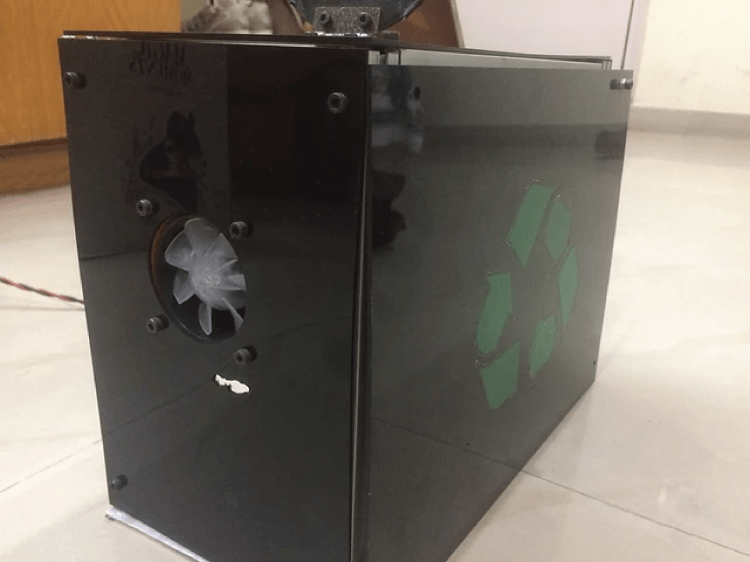
Case Study
Observations
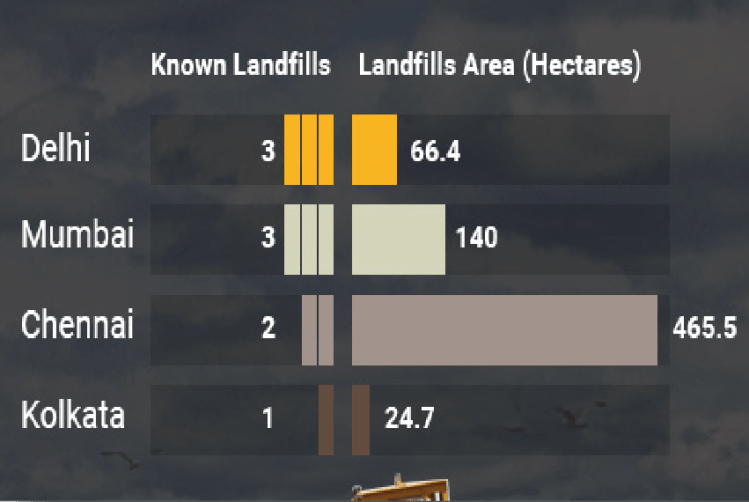
1. In Pune City, landfills are away from the main city.
2. Affects people of neighboring villages. Water and air pollution affecting nearby villages.
3. Negligence and lack of development of nearby areas.
4. Large amount of money spent on waste segregation.
5. Law passed by government for buildings and societies to treat waste by themselves but lack of proper tools and space, sometimes lack of discipline and care from people.
6. Even though households are segregating waste when officials come up to collect waste they mix up the waste thus cumulating into a bigger problem.
Gaining Insights
1.Landfills consists of degradable, non-degradable and recyclable waste.
2. Waste segregated by manual or automatic means at waste treatment plants.
3. Spread of chemicals and diseases due to flies and mosquitoes from landfills to nearby villages.
4. Smell of garbage.
5. Road Blockage due to frequent garbage trucks
6. Nearby land cannot be cultivated due to leachate run-off contaminating the soil.
7. Air pollution due to incinerators.
8. Waste collectors mix up all kinds of waste due to lack of knowledge.
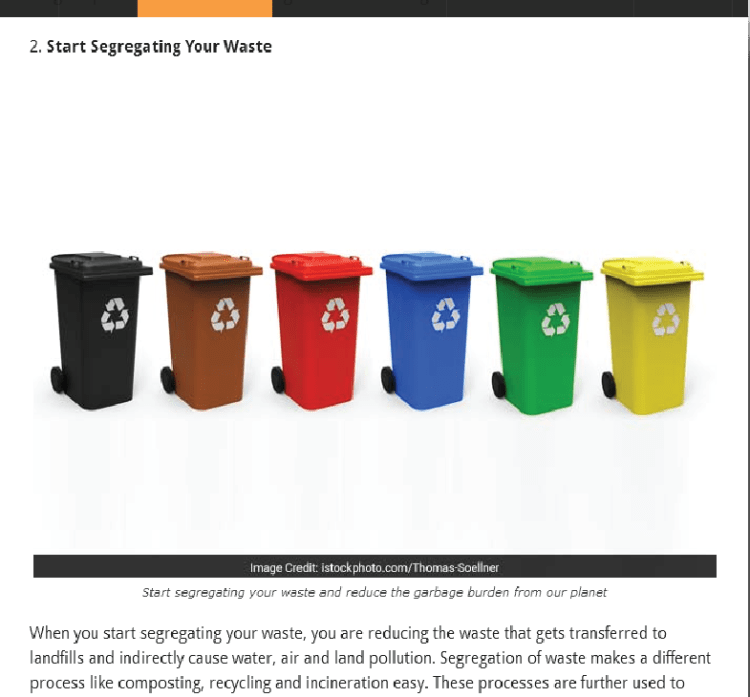
9. Proper segregation at grassroots can save lot of money spent in waste segregation at later point in the cycle.
10. Buildings and apartments don’t have facilities and tools to segregate and treat waste.
11. Sheer negligence of people and carelessness towards waste segregation.
12. Some households and building in certain areas are asked to build pits to segregated waste in house. A officer appointed to keep check.

Making Sense
How can make we ‘waste management’ more manageable?
When small-small problems culminate into a big problem, it aggravates, thus making it hard and expensive to take care of,
Think of it like,
brushing teeth everyday, if you don’t do it everyday later it can become a big, expensive problem.
if you don’t pay your expenses monthly, paying them after an year can amount to a huge problem.
acting responsibly at individual level uplifts the entire society in the most efficient manner.
So the analogy of ‘Think Global, Act Local’ can be employed here. What if every household, every building, every society starts to manage their waste? Solving this problem at grassroot level will be the most efficient way.
What can we do to encourage people to segregate the waste?

Problem Statement
In what way might I create a product such that household waste is processed at home which,
- costs less
- reduces human intervention and effort
- reduces time
- gives something back to the user.
Ideation
Convert food waste to Compost for soil



Convert food waste to Biogas for cooking



Shortlisting
We decided to go with developing a product to convert food waste into compost based on the overall scale of the device and our target user.
Shortlisting criteria
- Area
- People
- Process time
- Easier to be accepted by people
- Usefulness of the byproduct
Product Design
Why Rapid Composting?
- Waste can be continuously refilled while storing the by product.
- Inherent laziness plus continuous monitoring over extended period will again cause same problem of negligence and care.
- Good USP for marketing.
Research on Rapid Composting
Research Papers
Visited Agriculture College, Pune
Visited Officials from Pune Municipal Corporation
Internet Search
Factors affecting Rapid Composting
Particle Size

A decrease in particle size leads to an increase in surface area which helps the microbes to act more rapidly.
Temperature
Thermophilic temperature range 50oC to 60oC. Integration of feedback circuit for temperature control.
Moisture

Dry waste leads to unsatisfactory composting, whereas, soggy waste
hampers growth of microbes.
Aeration

Proper oxygen supply is must for growth of microbes and their activity.
Product concept generation
Function Diagram
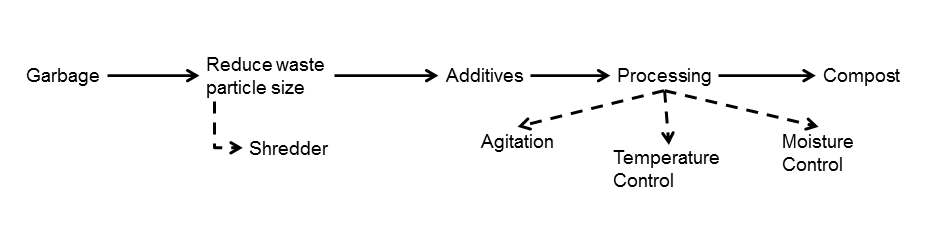

Moisture Control
Moisture level set to 50%. A moisture sensor was used to monitor the moisture content of the waste compost. Based on the moisture level more dry waste or wet waste could be added.
Temperature Control
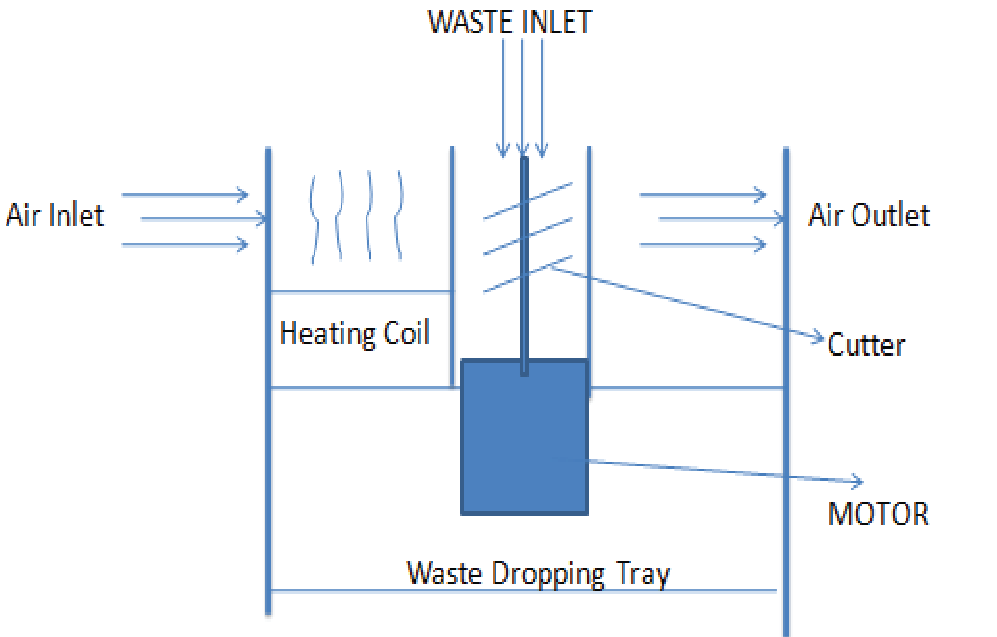
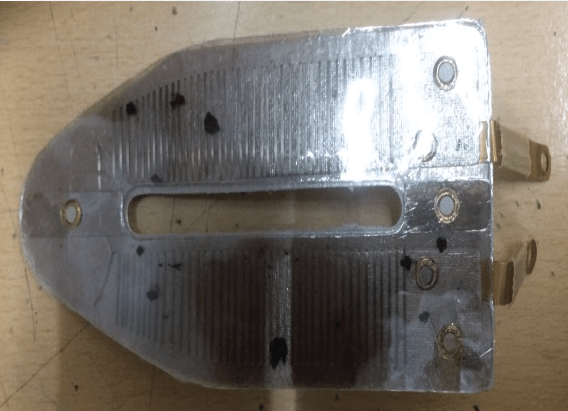
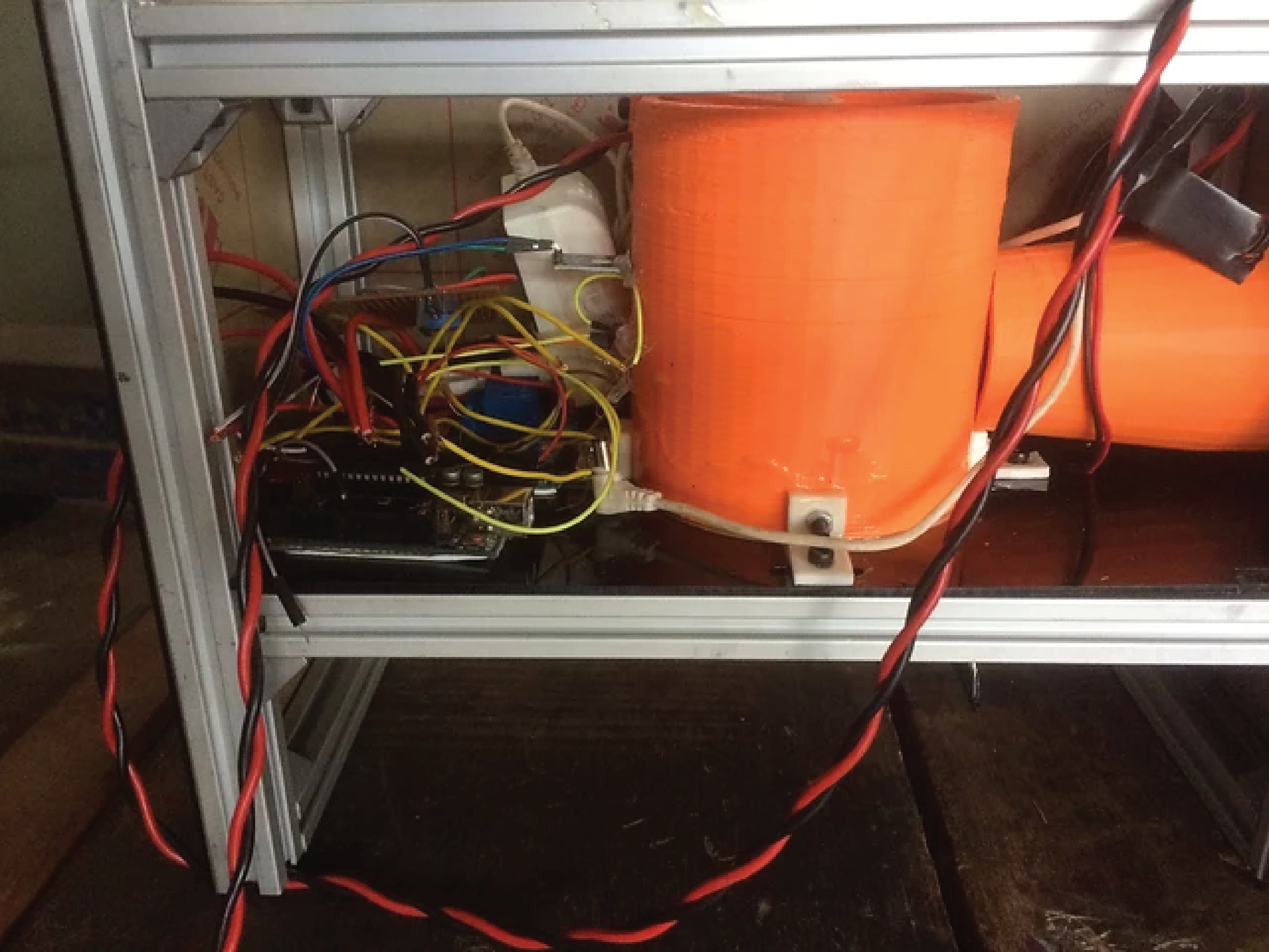
A heating coil used along with temperature sensor to control temperature in the composting chamber. Temperature range was within thermophilic temperature range.
• Nichrome wire coil around an mica paper plate used.
• K-type Thermcouple
• Arduino UNO microcontroller.
• Relay to switch ON/OFF the heating coil.


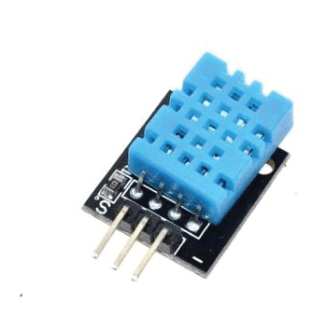
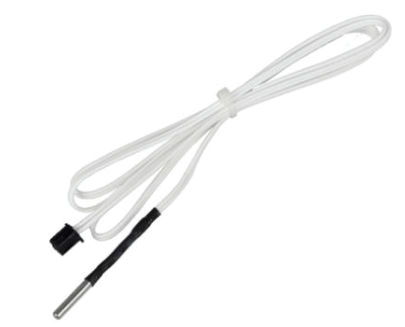
Shredder
To cut waste into small pieces to increase surface area.
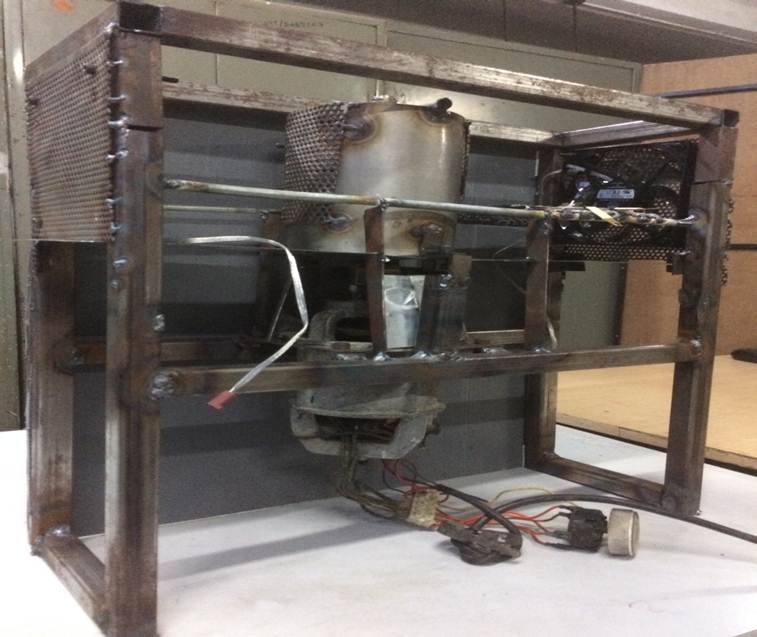
Churning and Aeration
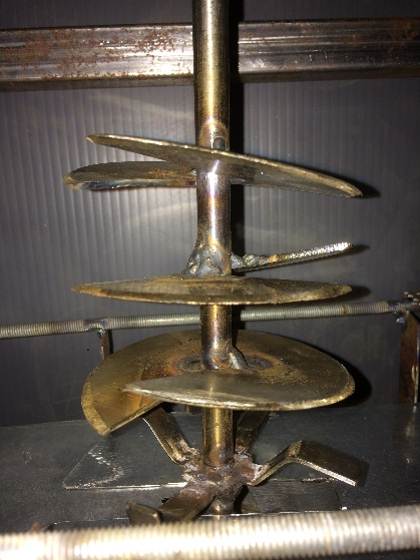
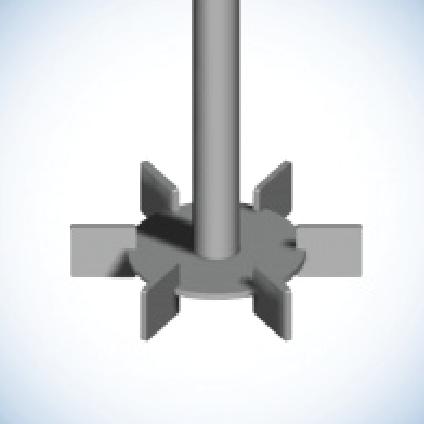
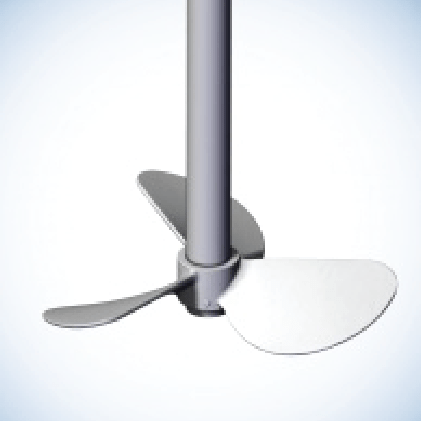
Different blades were researched from food industry stirrers for proper mixing and aeration of the waste compost. Material : SS grade 304

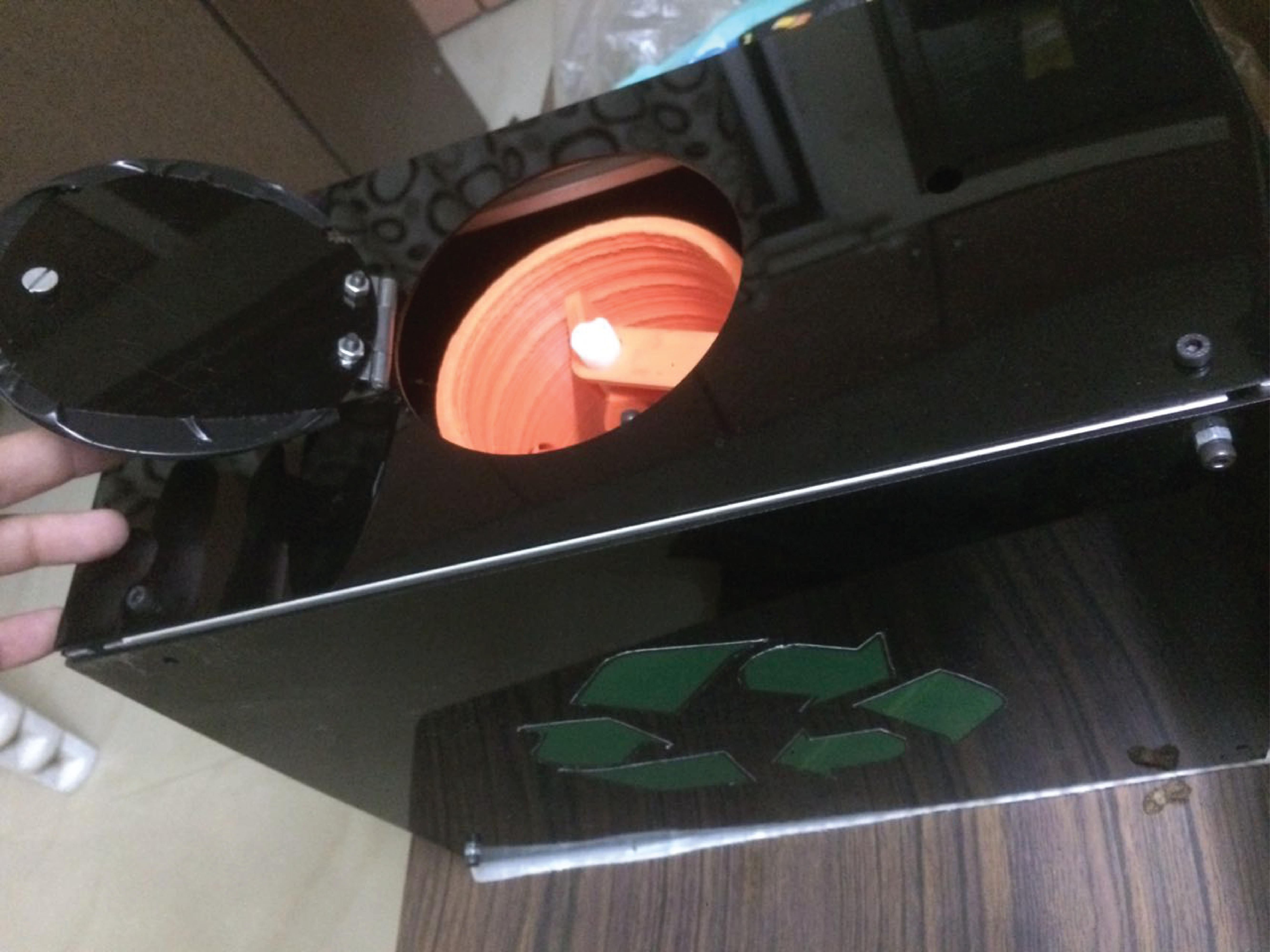
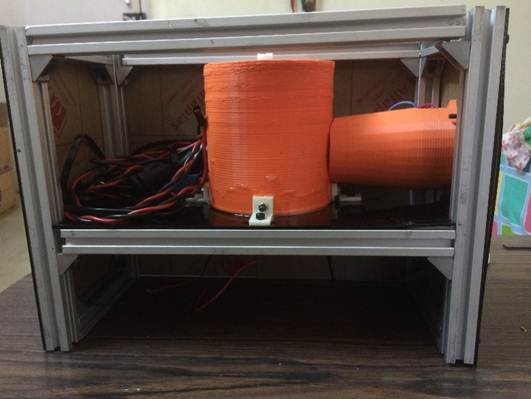

 THE CHAITANYA HYPOTHESIS